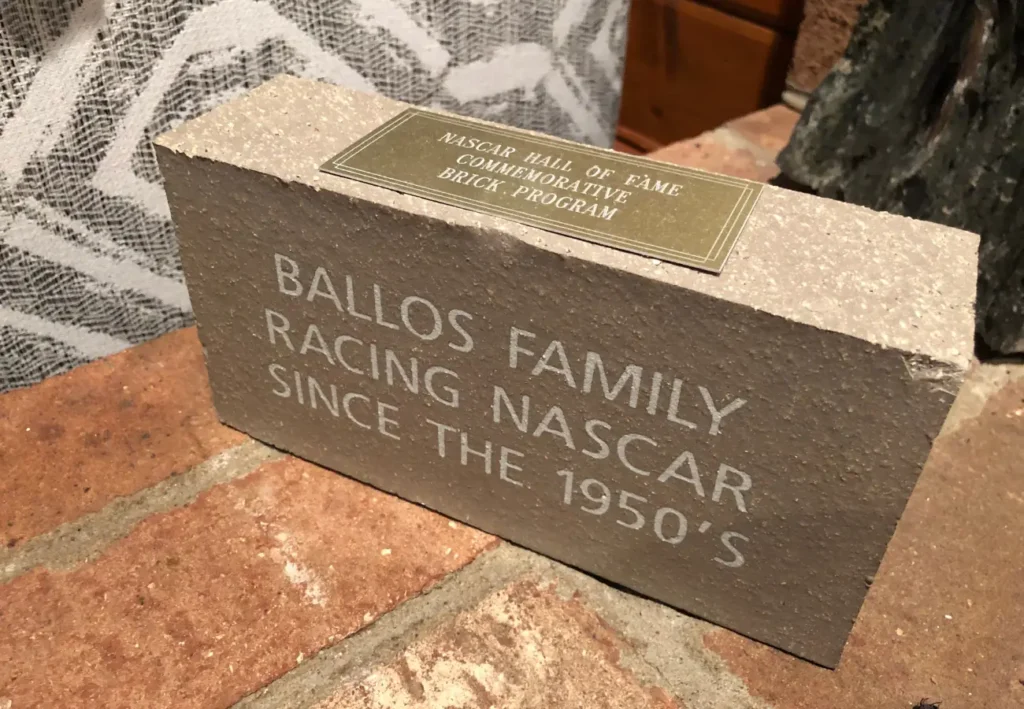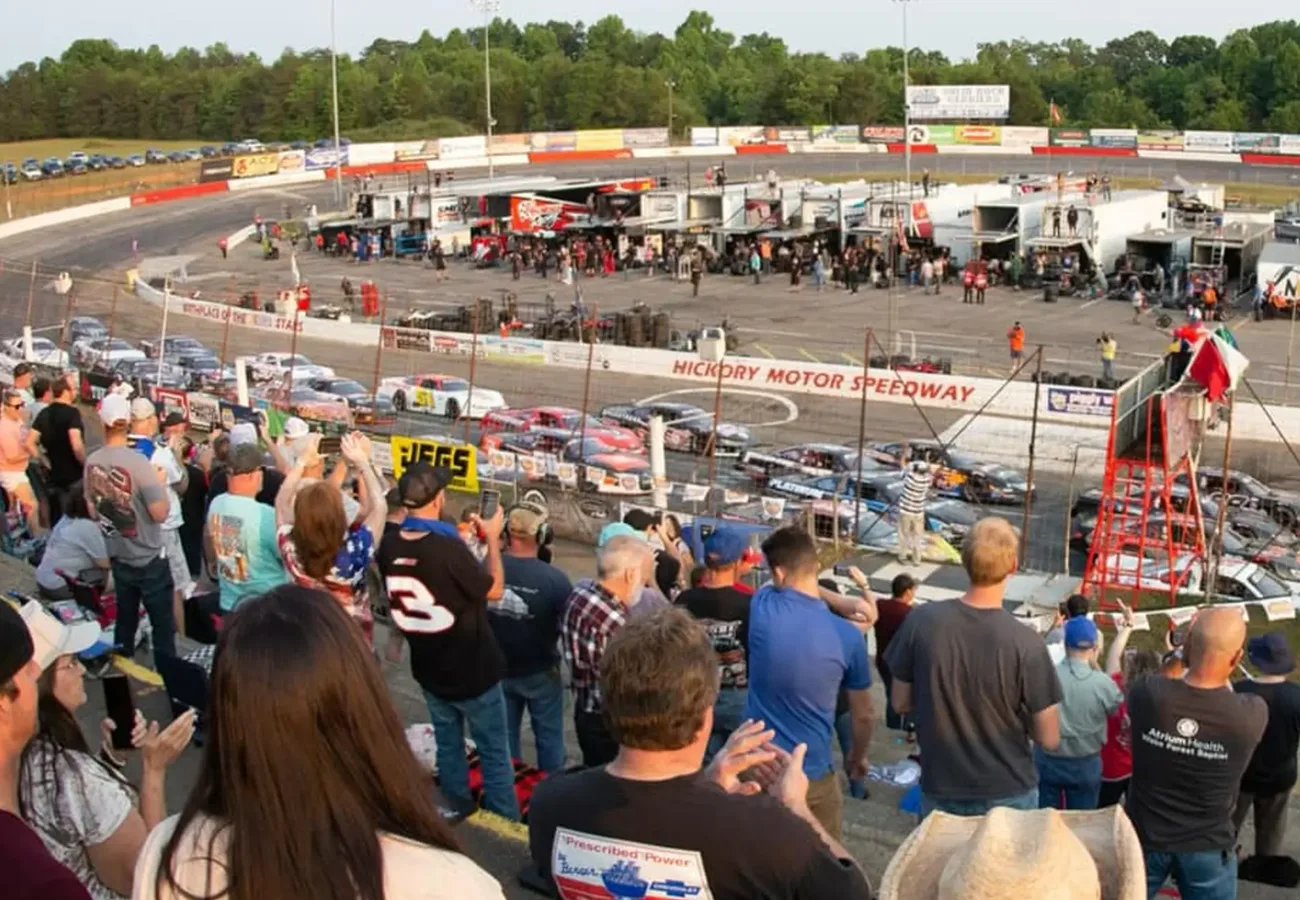
The history of American motorsports isn’t written solely in the record books of Daytona or Indianapolis. It’s also etched into the clay and dirt of countless small tracks across the country, where men with vision and mechanical aptitude built something that would outlast them. In 1950s Virginia, Tom Ballos Sr. was one of those men, a team owner and builder whose commitment to racing established a legacy that spans four generations.
Racing in Virginia in the 1950s
Post-war Virginia became a hotbed for stock car racing, with tracks sprouting up wherever there was flat land and entrepreneurial spirit. Mooers Field Speedway operated in Richmond’s Scott’s Addition, where Eddie Mooers had paved his former ballpark infield to accommodate stock cars. Hilltop Speedway, a 1/5-mile dirt oval between Richmond and Charlottesville, served the central Virginia racing community. These weren’t showplaces—they were proving grounds where mechanical reliability mattered as much as driving talent.
Tom Ballos Sr. understood this landscape. He recognized that consistent success required partnerships, preparation, and the right people behind the wheel.
The Ballos-Denton Partnership
Tom Ballos Sr. formed a partnership with Al Denton that would prove successful across multiple racing seasons. This wasn’t a passive investment. Both men were deeply involved in operations, from sourcing parts to making strategic decisions about which races to enter and which drivers to field. In an era when team ownership meant personal financial risk and hands-on work, the Ballos-Denton arrangement represented two men pooling resources and expertise to compete at a level neither could sustain alone.
Their commitment showed in their results. Season after season, Ballos-Denton cars ran competitively at both Mooers Field and Hilltop Speedway, collecting multiple wins and establishing a reputation for well-prepared machinery and smart race strategy.
Cars #9 and #1: A Numerical Legacy
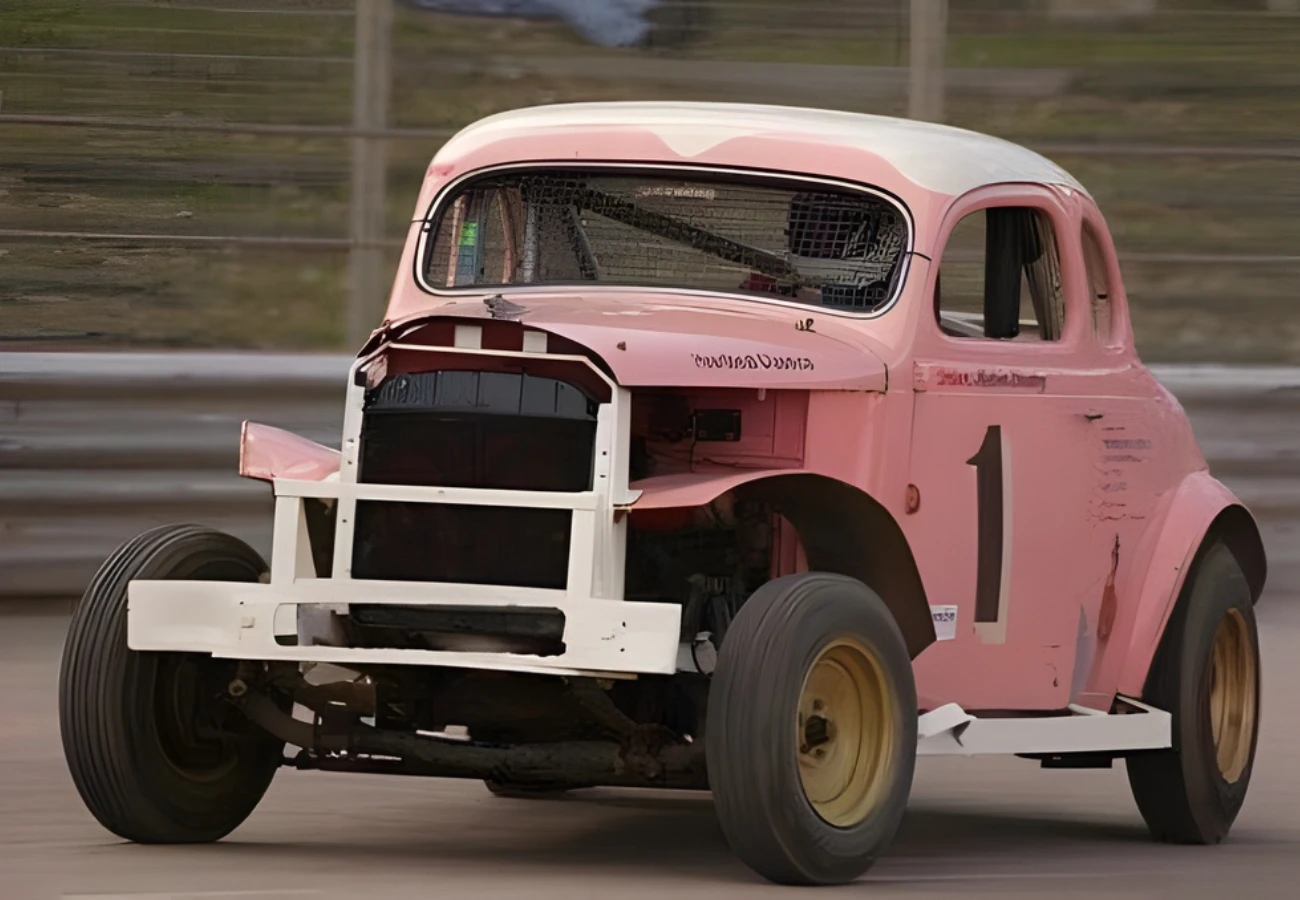
The Ballos-Denton operation fielded two primary cars carrying the numbers #9 and #1. In 1950s short-track racing, these weren’t just identifiers; they were calling cards that fans learned to recognize.
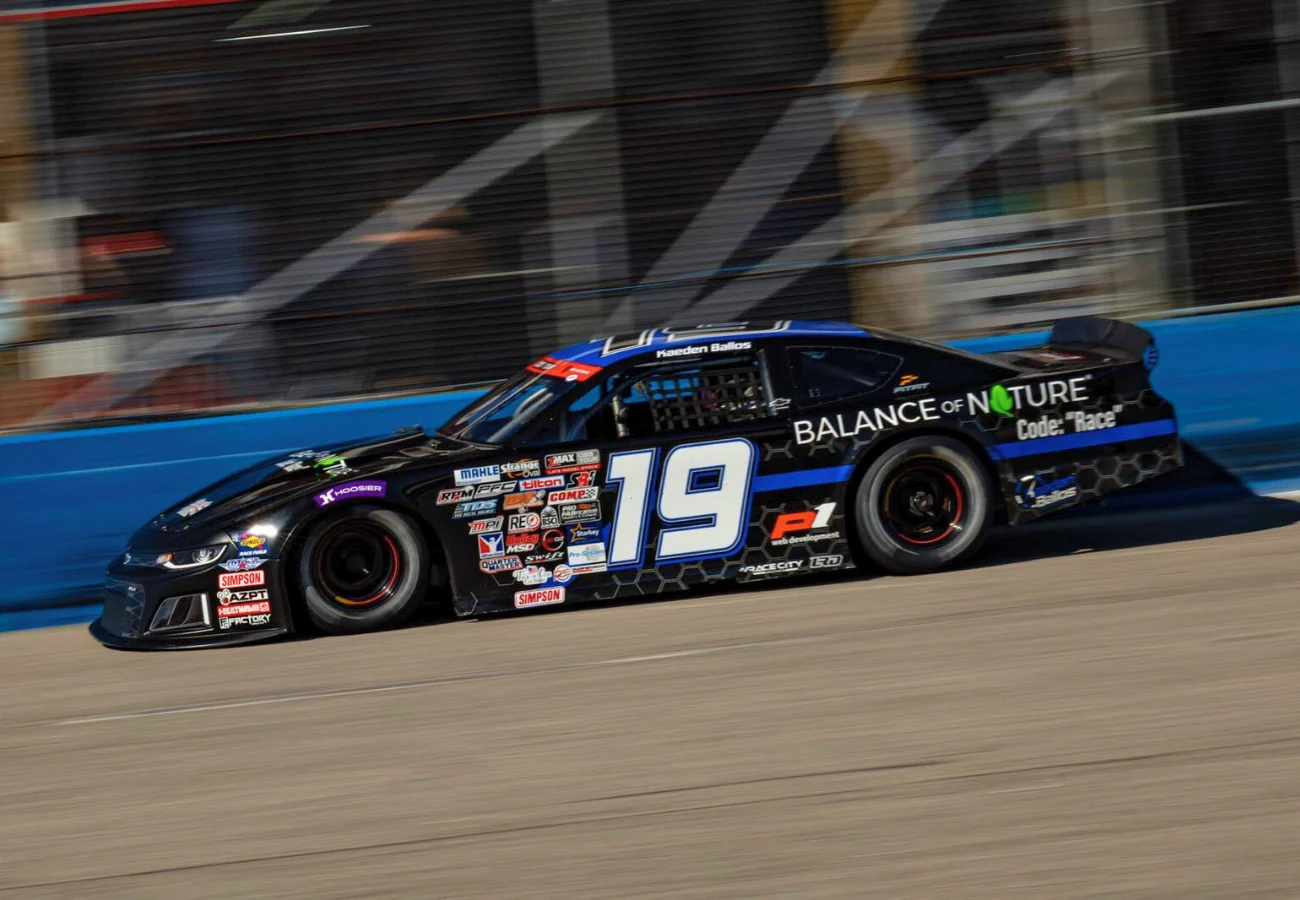
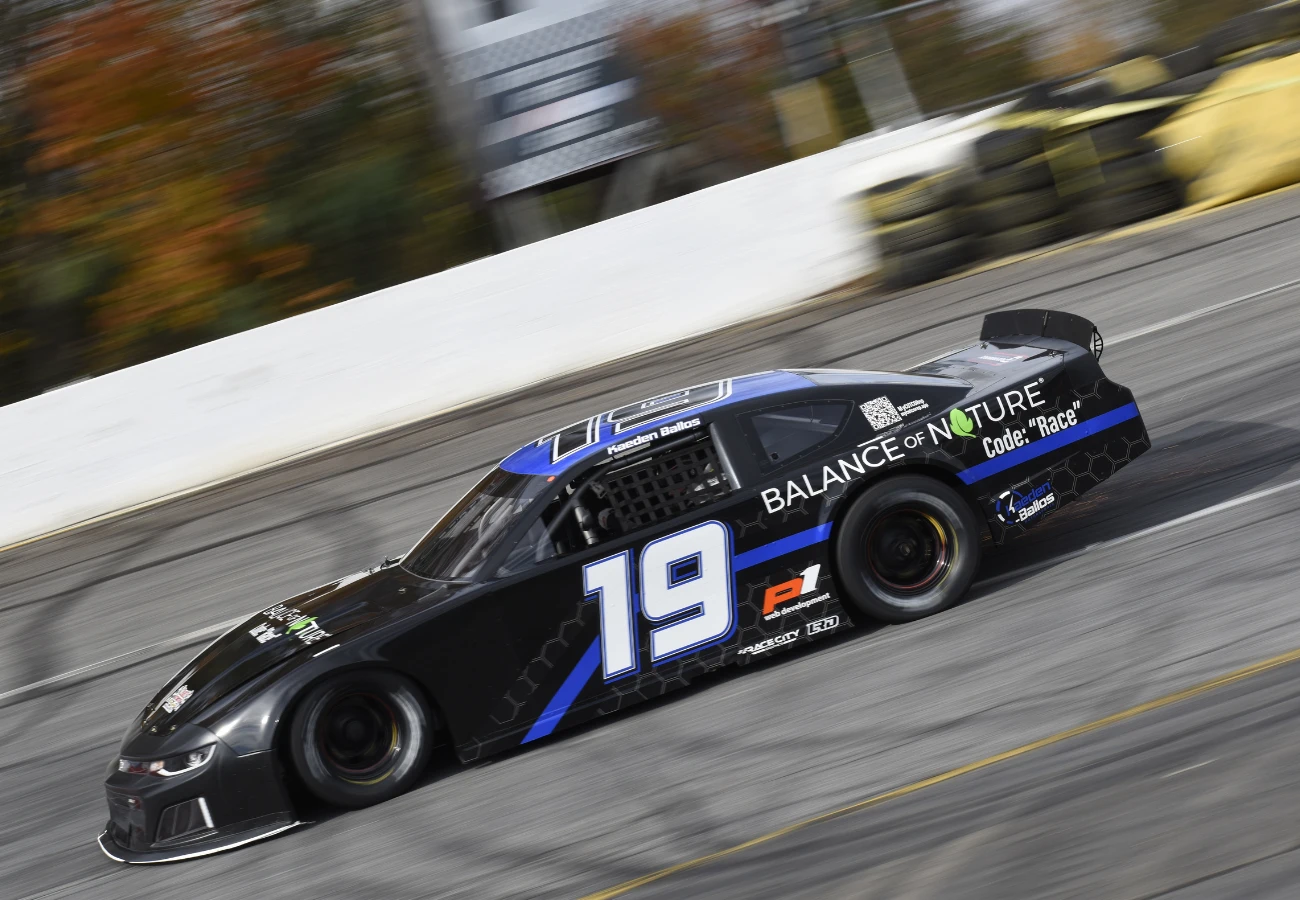
The significance of these numbers would extend far beyond Tom Ballos Sr.’s racing years. His son would later combine these digits to create his own racing identity: #19. When Kaeden Ballos eventually followed his grandfather onto the track, he too adopted #19, creating an unbroken numerical lineage spanning from the 1950s to the present day. What started as two car numbers on Virginia dirt tracks became a family tradition carried across generations.
The Drivers and the Innovation
Tom Ballos Sr. and Al Denton demonstrated shrewd judgment in their driver selections, fielding five men across their two cars: Charlie Toombs, Mel Bradley, Herb Henley, May Saylor, and Eddie Crouse. Eddie Crouse and Mel Bradley, in particular, would go on to notable careers in Virginia racing, competing at tracks throughout the state well into the 1960s that the Ballos-Denton cars attracted and retained quality drivers speaks to the operation’s reputation. In an era when good drivers had options, they chose cars #9 and #1 because those cars won races.
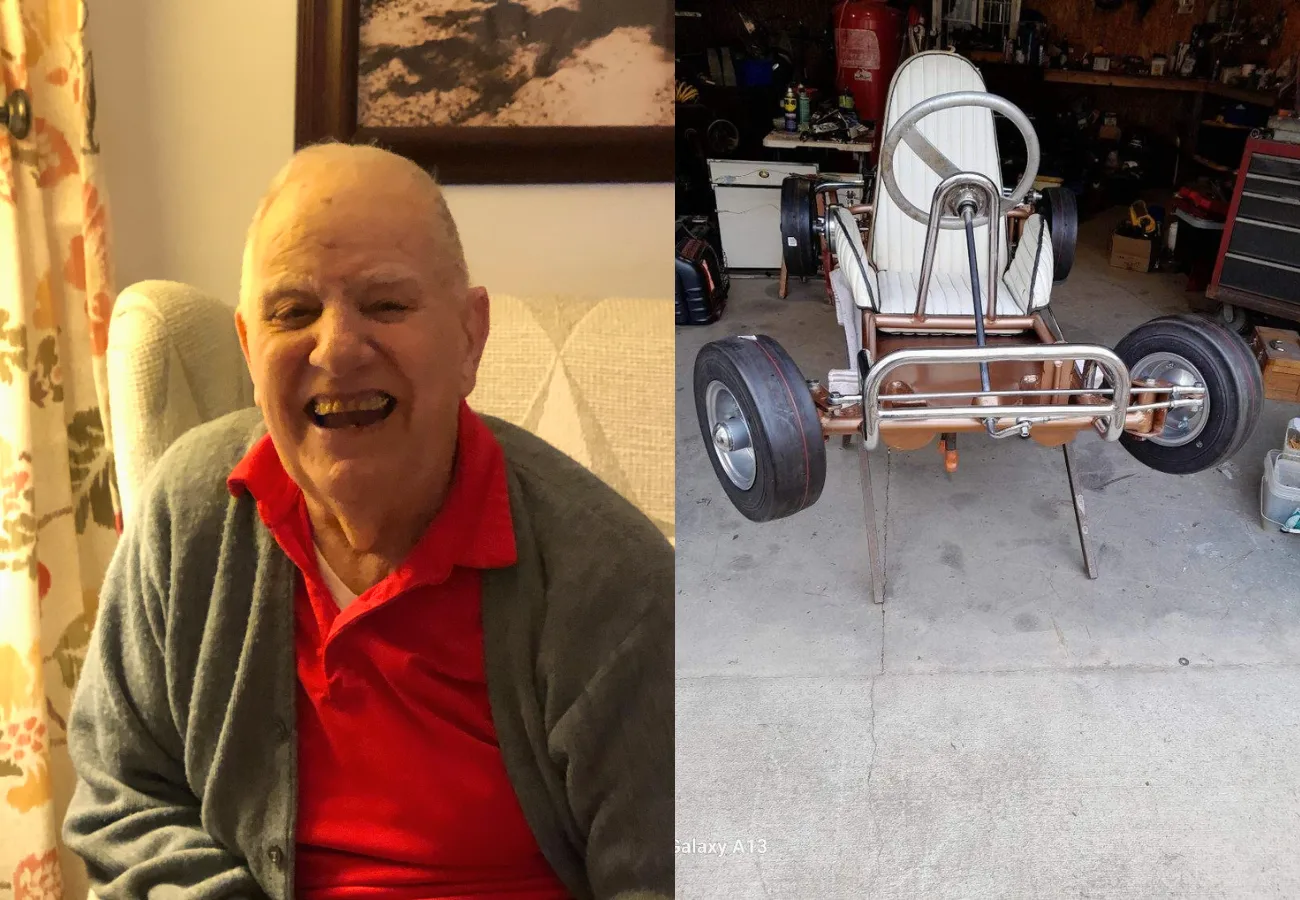
Tom Ballos Sr.’s mechanical aptitude extended beyond stock cars. He hand-built a go-kart powered by a 9.5-horsepower engine from a two-person chainsaw—a serious racing machine that collected wins throughout Virginia. Tom Sr. piloted the kart first, proving the concept and refining the setup. Then he passed it to Kaeden’s grandfather, and the kart continued to win. This wasn’t just a fast machine for one driver; it was properly engineered equipment that could perform for any competent pilot.
This reveals the complete racer: someone who understood racing from the ground up, operating successfully at both the team ownership level and the grassroots builder level.
From Virginia Dirt to British Museum
Perhaps the most remarkable chapter in the Tom Ballos Sr. story is what happened to one of his race cars long after its competitive days ended. While most 1950s short-track racers were eventually scrapped or left to rust, one of the Ballos-Denton machines was professionally restored and now sits in permanent display at a racing museum in the United Kingdom.
The transatlantic journey represents more than preservation. It’s international recognition of American grassroots racing history. That a car owned by Tom Ballos Sr. was deemed worthy of professional restoration and museum display speaks to the quality of the operation he ran and ensures his contribution to Virginia racing won’t be forgotten.
The Legacy Lives On
Tom Ballos Sr.’s racing career in 1950s Virginia might seem like a historical footnote, but its impact echoes forward through the decades. His son, Tom Ballos Jr., became a respected figure in the NASCAR community—a driver, builder, machinist, race official, and mentor who owned Ballos Precision Machine in Richmond. Tom Jr.’s career touched multiple facets of the sport his father introduced him to.
The tradition continued through Thomas J. Ballos III and ultimately reached Kaeden Ballos, who carries the #19 number that connects directly back to his great-grandfather’s cars #9 and #1. Four generations of Ballos racers, each building on the foundation established in the 1950s.
What Tom Ballos Sr. passed down wasn’t just a love of racing; it was a comprehensive understanding of the sport. He demonstrated that success required mechanical aptitude, business acumen, people skills, and strategic thinking. He showed that ownership was about stewardship of equipment and reputation. He proved that innovation mattered, whether preparing a stock car or building a go-kart from scratch.
The tracks where he competed are largely gone now. The drivers who piloted his cars have mostly passed from living memory. But the approach to racing that Tom Ballos Sr. established—serious preparation, smart partnerships, and commitment to winning remains alive in the Ballos family’s continued involvement in motorsports.
Conclusion
Tom Ballos Sr. operated in an era when American stock car racing was still defining itself, when success depended entirely on the dedication of individuals who believed the sport had a future. He wasn’t racing for glory or fortune as there wasn’t much of either available at small Virginia tracks in the 1950s. He was racing because he understood machinery, valued competition, and wanted to win.
The fact that one of his race cars now sits in a museum, that his number combination lives on through his great-grandson, and that his mechanical creations collected wins across multiple generations. These aren’t accidents of history. They’re the natural result of doing things correctly, even when no one was watching closely.
In an age when motorsports history often focuses on the famous and championship-level, the Tom Ballos Sr. story matters because it represents the thousands of team owners, builders, and innovators who created the foundation upon which the sport was built. That’s a legacy worth preserving, and one that the Ballos family continues to honor every time they return to the track.